
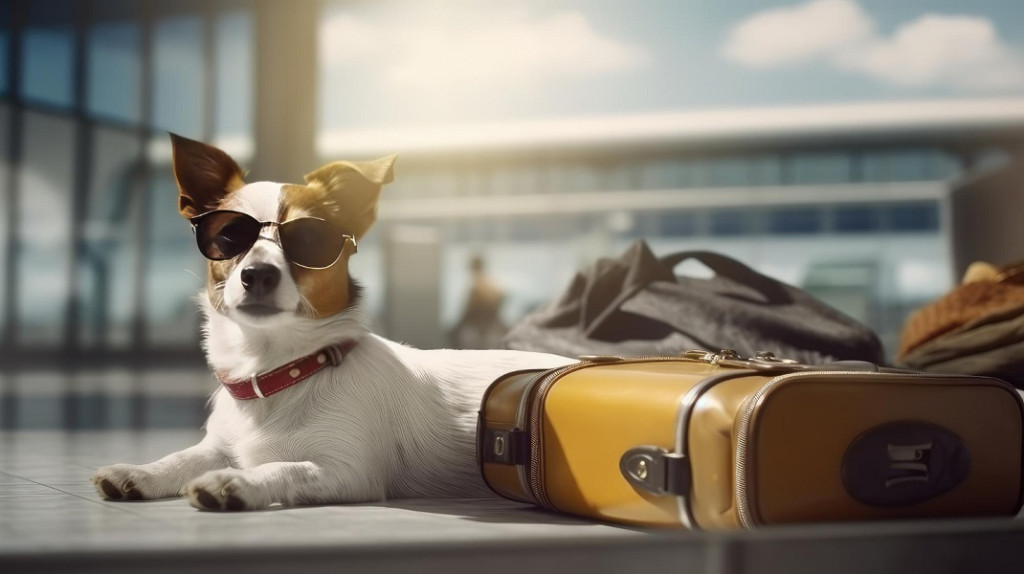
Travelling with a pet requires some preparation before the journey. Requirements can vary depending on the mode of transport, destination, airline or railway service. Always check the latest rules before travelling and keep your pet’s health and safety as the priority.
Before Any Journey
- Carry your pet’s vaccination records, identification details and a recent veterinary health/fitness certificate where required.
- Under India’s Transport of Animals Rules, dogs and cats travelling by rail, road or air should be accompanied by a valid veterinary health certificate confirming that they are fit to travel and showing no signs of infectious or contagious disease, including rabies.
- Check whether your destination requires any additional health certificates, permits, vaccinations, microchip identification or other documents.
- Use a secure, appropriately sized carrier/crate that allows the animal to stand, turn around and lie down comfortably.
- Make sure the carrier is well ventilated, secure and suitable for the size of your pet.
- Carry food, water, prescribed medicines, waste bags, absorbent bedding, a leash/harness and a familiar blanket or toy.
- Ensure the pet’s microchip/ID and your contact number are current.
- Carry recent photographs of your pet in case identification is required during the journey.
- Avoid giving sedatives or tranquilizers unless specifically prescribed and supervised by a veterinarian. Sedation can affect an animal’s breathing, balance and ability to respond to stress during travel.
- If your pet has a medical condition, motion sickness, anxiety or previous travel problems, discuss the journey with your veterinarian before travelling.
Air Travel
Before booking:
- Check the airline’s current pet policy before purchasing the ticket. Airlines can have different rules for cabin, checked baggage/cargo, carrier dimensions, weight limits, breeds and temperature conditions.
- Check whether your pet is permitted to travel on the specific route and aircraft.
- Confirm the required carrier size and type before purchasing a carrier.
- Reserve the pet’s space with the airline in advance. The number of animals permitted on a flight may be limited.
- Check whether the airline requires a veterinary health certificate, vaccination records, microchip details or other documentation.
- For international travel, check the destination country’s import requirements and India’s Animal Quarantine and Certification Services (AQCS) requirements. AQCS notes that pet-import procedures and notifications can change, so requirements should be checked close to the travel date.
- Start preparing the required documents early because some destinations may have specific timelines for vaccinations, health certificates, testing or permits.
At the airport:
- Arrive early for document verification and pet check-in procedures.
- Keep the pet securely inside the approved carrier unless airline or airport staff instruct otherwise.
- Keep your pet’s documents and identification details easily accessible.
- Avoid opening the carrier in crowded or unsecured areas, as a frightened pet may escape.
- Prefer a direct flight where practical to reduce handling, transfers and travel time.
- Never leave a pet unattended in a hot vehicle or exposed area at the airport.
- Follow the airline’s instructions regarding feeding, water and handling before boarding.
During the flight:
- Follow the airline’s instructions for where and how the carrier must be kept.
- Do not open the carrier during the flight unless specifically instructed by the airline.
- For longer journeys, make sure your pet has been prepared for travelling in the carrier before the travel date.
- If your pet shows signs of severe distress or becomes unwell, inform the airline staff immediately.
Car Travel
- Keep dogs secured with an appropriate harness/seat-belt attachment or travel crate; cats should remain in a secure carrier.
- Never allow a dog to travel loose in the passenger area or sit on the driver’s lap.
- Never transport a pet in the boot/trunk of a car.
- Keep the carrier or restraint away from direct sunlight and make sure there is adequate ventilation.
- Take regular breaks on long journeys for toilet, water and movement, while keeping the pet safely leashed.
- Never open a car door or carrier in an unsecured location where the pet could run away.
- Do not leave a pet alone inside a parked vehicle, even for a short period. Temperatures inside vehicles can rise rapidly and may become dangerous.
- Avoid feeding a large meal immediately before departure if your pet is prone to motion sickness; follow your veterinarian’s advice.
- If your pet experiences motion sickness, discuss suitable feeding and travel arrangements with your veterinarian.
- In hot weather, travel during cooler hours and maintain good ventilation/air-conditioning.
- Keep the vehicle environment calm and avoid loud music or sudden disturbances if your pet becomes anxious during travel.
Train Travel — India
- Check the latest Indian Railways rules before booking because pet travel conditions can depend on the train, class of travel and applicable railway procedures.
- Indian Railways permits dogs under specified conditions. The applicable railway guidance provides for dogs to travel in permitted First AC/First Class accommodation under specified conditions, including concurrence of fellow passengers and applicable charges, or through designated brake-van/dog-box arrangements.
- Dogs are not permitted in ordinary sleeper, AC 2-tier, AC 3-tier, chair-car and second-class coaches under the stated rules.
For a pet travelling with you:
- Confirm the specific train and class before booking.
- Check the current railway procedure for booking and payment of the pet.
- Complete the required pet booking/payment through the railway’s prescribed process.
- Carry vaccination records and veterinary fitness documentation.
- Keep the pet under control and prevent disturbance to other passengers.
- Keep the pet’s leash, carrier and other travel equipment ready before boarding.
- Do not assume that simply booking your own passenger ticket automatically books the pet.
- If the pet cannot travel with you in the permitted accommodation, railway rules provide for carriage in the designated dog-box/brake-van arrangement.
Before Starting a Long Journey
- Give your pet an opportunity to exercise and use the toilet before departure.
- Carry sufficient food and water for the journey, along with some extra supplies in case of delays.
- Keep prescribed medication and important documents easily accessible rather than packed away.
- Make sure your pet is wearing appropriate identification.
- Avoid making major changes to your pet’s food immediately before travelling.
- If your pet has never travelled before, introduce the carrier, crate or restraint gradually before the journey.
- Keep a familiar blanket or toy with your pet if it helps them remain calm.
Signs of Travel Stress
Watch for:
- Excessive panting
- Drooling
- Trembling or shaking
- Whining or excessive vocalisation
- Restlessness
- Repeated vomiting
- Diarrhea
- Excessive licking
- Attempts to escape from the carrier or restraint
If your pet becomes severely distressed, has difficulty breathing, collapses or shows other serious symptoms, seek veterinary assistance as soon as possible.
Recommended Pet Travel Kit
- Veterinary certificate
- Vaccination records
- ID/microchip information
- Recent photographs of your pet
- Secure carrier/crate
- Leash and harness
- Food and treats
- Water and collapsible bowl
- Waste bags
- Absorbent pads
- Medication prescribed by veterinarian
- Familiar blanket/toy
- Basic first-aid supplies
- Emergency contact details
- Contact details of a veterinarian at the destination, where possible
Travel Checklist
Before leaving:
- Documents checked
- Vaccinations and health requirements checked
- Carrier/restraint ready
- Food and water packed
- Medication packed
- Identification checked
- Transport provider’s rules confirmed
- Destination requirements confirmed
- Emergency contacts saved
Important:
Travel rules, airline policies and railway procedures can change. Always confirm the latest requirements with the relevant airline, railway authority, government authority or destination country before travelling.
The information provided is for general pet-care guidance and does not replace veterinary advice or the current rules of the relevant transport authority.