
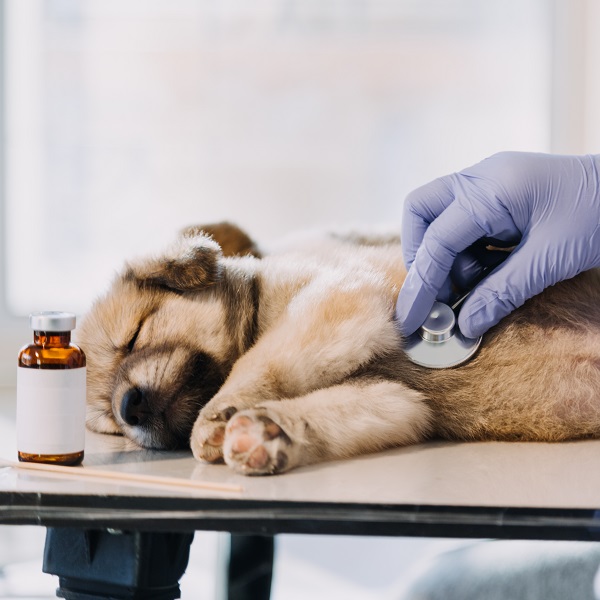
Important Note: Emergency first aid is just a temporary treatment for the pet. Have to contact a veterinarian or emergency veterinary hospital as soon as possible. Need to avoid giving human medicines or any general medicines unless it is suggested by a veterinarian.
Seek immediate veterinary care for
- Difficulty in breathing, choking, or blue/grey/white gums
- Collapse, unconsciousness, or not able to stand
- Severe bleeding that doesn’t stop even with the pressure
- Seizures lasting several minutes or repeated seizures
- Suspected poisoning or ingestion of medication/chemicals
- Major trauma, being hit by a vehicle, or suspected fractures
- Severe burns
- Sudden severe abdominal swelling, especially in dogs
- Heatstroke
- Repeated vomiting/diarrhea with weakness or collapse
- Inability to urinate, particularly in male cats
- Severe eye injuries
- Extremely pale gums or signs of shock
Severe bleeding
· Keep the pet calm and avoid the unnecessary movements.
· Apply firm, continuous pressure with clean gauze or cloth.
· If blood soaks through, don’t remove the original dressing; add more material on top.
· Get veterinary help immediately.
Suspected fracture or serious injury
- Minimize your pet movements.
- Don’t attempt to straighten the limb or push bones back immediately.
- Use a carrier, box or firm support for transportation.
- Be careful: even normal or gentle pets may bite when frightened or when they are in pain.
Choking
- If the pet can breathe, do not blindly put your fingers into their mouth.
- If an object is clearly visible and it can removed safely then remove it.
- If breathing is severely impaired, seek emergency veterinary care immediately.
Suspected poisoning
- Remove the pet from the source.
- Keep the packaging, label, plant sample or other information about the thing which is consumed by the pet.
- Note approximately what, how much and when it was ate by the pet.
- Contact a veterinarian immediately.
- Do not induce vomiting unless a veterinarian specifically tells you to.
Burns
- Remove the animal from the heat source.
- Cool the affected area with cool running water for several minutes.
- Don’t apply butter, oil, toothpaste or household creams.
- Veterinary examination is recommended, particularly for extensive or deep burns.
Heatstroke
Dogs are particularly vulnerable, but cats can also develop dangerous overheating.
- Move the pet into a cool, shaded/air-conditioned area.
- Begin gentle cooling with cool—not ice-cold—water and ventilation.
- Offer small amounts of water if the pet is conscious and able to drink.
- Visit veterinarian immediately, even if the animal appears to be normal.
Seizure
- Move furniture or objects away from the pet.
- Keep the room quiet and dim.
- Do not restrain the animal.
- Never put your fingers or objects in its mouth.
- Time the seizure if possible and seek veterinary advice, particularly for a first seizure, prolonged seizure or repeated seizures.
Shock or collapse
Keep the pet warm, quiet and still, unless overheating is the problem. Avoid giving food or water to an unconscious or severely collapsed animal. Transport to a veterinary hospital urgently.
Special cat emergency: inability to urinate
A cat repeatedly entering the litter box, straining, crying, producing little/no urine or becoming lethargic may have a urinary blockage. This can become life-threatening very quickly, particularly in male cats. Treat it as an emergency and seek veterinary care immediately.
Useful emergency kit
Keep these available:
- Gauze and clean cloths
- Non-stick wound dressings
- Adhesive tape
- Disposable gloves
- Towel/blanket
- Pet carrier
- Digital thermometer
- Saline for flushing minor wounds/eyes
- Tweezers
- Your veterinarian’s contact details
- Vaccination and medication records
Never give aspirin, ibuprofen, paracetamol/acetaminophen, or other human medication to a dog or cat without veterinary direction. Some human medicines can be extremely toxic to pets.